
We keep our dairy kitchen conspicuously kosher here at the Everett Jewish Life Center at Chautauqua, with a recognizable hechsher on all packaged food. The local markets have a limited range of kosher cheese (most of ours comes by courier from Cleveland) but Cabot cheese often has the shield-K, a symbol at which some people sniff with disdain.
Lately I’ve been thinking more and more about one of the wise remarks I heard from the much-missed Rabbi Eliezer Cohen. The U.S. Kashrut agencies, he said, often ignore the halachic principle that a kosher food with no more than one-sixtieth of treif is still kosher. How, then, can they give their approval to milk?
Can milk be a problem?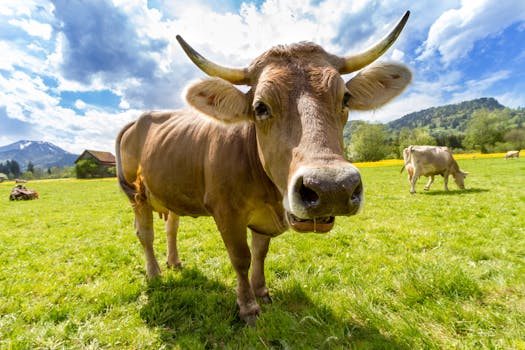
Sure. Milk from a treif animal is treif. You don’t use milk from pigs, do you?
But how do you know a cow is kosher and not treif? When it’s slaughtered inspected, then you know. But you never really know if a live cow is kosher.
So if you’re worried about being super-kosher (if the standards established by the Sages of Blessed Memory are not good enough for you), then maybe you’ll worry that the cow from which your milk comes might be treif.
Don’t worry, the U-O has you covered. In their absorbing article on the topic of Milk from a Possibly Treif Cow, you can see a lot of halachic leniencies for kashrut. Of course the cow milk is kosher, even if it comes from a possibly treif cow. Of course Jews in generations past who milked their cow for dairy products were eating kosher food, and those who don’t accept “min bemino” and “batul beshishim” and other principles aren’t following halachah.
So never mind the hechsher on cheese; if you think the milk is kosher, it’s hard to understand why you could think the cheese is not.
Not that I’m qualified to judge.
 The Singlish Publication Society
Interesting, I never thought about this. In addition to this (new) conundrum the key issue as I understand has always been supervsion and amount of rennet and any other additive.